Hales Corners, New Berlin
Garage Door Repair for Hales Corners, WI
Garage door repair for Hales Corners, WI, 5 miles from our New Berlin shop. Built mostly in the 1960s, this town's doors fail in specific, predictable ways.
Where This Job Goes Sideways
Hales Corners is a small town - about 3,137 households - which means the fault pattern on any given street tends to repeat rather than vary.
Same-era house cluster
We're not covering a sprawling mixed-era suburb here; we're covering a tight pocket of houses built around the same year, 1963 on the median, with openers and torsion hardware that aged on roughly the same clock. When one call comes in from this town, the next one from three streets over is often the same part failing for the same reason.
Tight age window
That 1963 median lines up with the broader area's 1960s-70s building wave, but Hales Corners sits a little tighter on the timeline than some of the towns we cover from New Berlin. A door installed in 1963 has been through sixty-plus winters of severe cold-climate cycling - steel fatigues, lift cables stretch and re-seat, and the galvanized coating on older springs starts to pit.
Quiet failures in framing
The failure is rarely dramatic. It's a spring that's been one cycle from snapping for a month, or a track bracket whose lag bolts have worked loose in framing that's shrunk with age. We drive the 5 miles from New Berlin expecting that kind of wear, not a random one-off.
The DIY Question
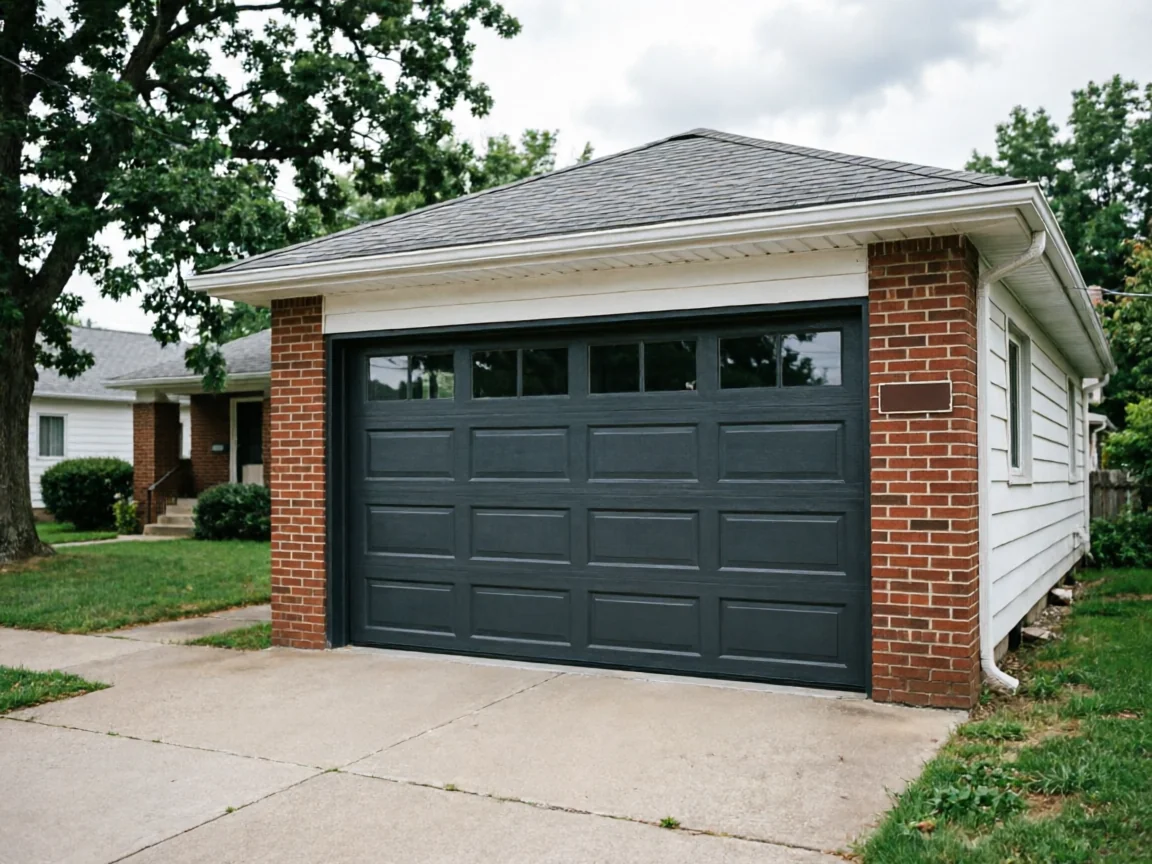
If your door won't open and the opener motor is humming but the door isn't moving, that's almost always a broken spring or a disconnected cable - not something to force with a crowbar or a second person pushing.
Undersized winding cones
Torsion springs on a 1960s-era door are wound under real tension, and the winding cones on original hardware are often undersized by today's standard, which makes them more dangerous to touch than a modern replacement.
Manual mode checks
What you can check safely: the manual release cord (make sure it's pulled and the door is in manual mode before you push anything by hand), the track for visible dents or gaps at the rollers, and whether the issue is the opener losing power rather than the door itself.
Wrist injury warning
Anything involving a spring, a cable under tension, or the bottom bracket is not a homeowner repair, because a 10-foot torsion spring at full wind can break a wrist or worse. We'll be honest that some fixes, like a bent track on an otherwise sound door, are a half-hour job if you've got the right clamp and patience.
How Long You Are Without the Door
We come from New Berlin, 5 miles out, so travel time to Hales Corners isn't the bottleneck - diagnosis and parts are. A broken spring or a snapped cable on a standard door is usually a same-visit fix once we're on site, because those parts are common sizes we stock regardless of the house's age. What takes longer is anything tied to the original 1963-era hardware: odd-width tracks, obsolete drum sizes, or a bottom bracket pattern that doesn't match current stock. On those, we may need to source a part before the door is fully closed up again.
In cold months, severe winter cycling adds a second variable - a door that's been sticking or binding for weeks sometimes reveals a second problem (a frozen roller, a cracked panel seam) once we get it moving again. We'd rather tell you that up front than promise a fifteen-minute fix and miss it.
What the Fix Involves
Most of what we see in Hales Corners traces back to the housing stock: doors and openers installed when the house was built, or a replacement from a decade or two later that still rides on the original track and hardware.
Isolate fault by hand
The fix almost always starts the same way - disconnect the opener, manually cycle the door to isolate whether the problem is spring tension, a cable, a roller, or the opener itself.
Header settlement check
On a 1963-vintage door, we're also checking things a newer door wouldn't need checked: whether the track gauge matches modern rollers, whether the bottom bracket has been resized before, and whether the header above the door has settled enough to throw the frame out of square.
Seasonal fastener movement
None of that is guesswork - it's the standard sequence for a door of that age in a severe cold climate, where seasonal expansion and contraction keeps working at fasteners year over year.
Parts We Carry
We carry common torsion springs, standard lift cables, rollers, and track sections sized for the door widths and heights typical of 1960s-70s construction - the sizing that dominates this part of the service area. What we don't keep on the truck is anything custom: a nonstandard panel width, a discontinued opener logic board, or an odd-pitch drum from an original builder-grade unit that was never a common size even when new.
For Hales Corners specifically, that mostly means we're well-stocked for the repair itself and rarely need a special order for springs or cables - the house ages here are consistent enough that we know what to bring. Where we do sometimes wait on a part is a full track replacement on a door with a nonstandard rail width, which isn't common but does turn up.
Questions
Common questions
How far out is Hales Corners from your shop?
We run out of New Berlin, about 5 miles from Hales Corners. That's close enough that travel time isn't the delay on most calls - what takes longer, if anything, is a part that isn't a common size.
Why does my 1960s door break differently than a newer one?
Houses in Hales Corners cluster around a 1963 median build year. Original torsion hardware from that era has been through decades of severe cold-climate cycling, so springs fatigue, cables stretch, and track brackets loosen in ways a 10-year-old door usually hasn't gotten to yet.
Is it ever not worth fixing an old door?
Sometimes. If the track gauge is obsolete and the panel itself is also failing, patching one part while the rest ages out isn't a good use of money. We'll tell you straight if replacement makes more sense than another repair.
Can I replace a broken spring myself?
No. A torsion spring under full wind can cause serious injury if it releases wrong, especially on older hardware with undersized winding cones. The cable and bracket work around it isn't a safe DIY repair either.
Explore more
More Services in Hales Corners
Emergency Garage Door
Hales Corners homes mostly date to 1963, which means original torsion or extension hardware still on the door. Learn more →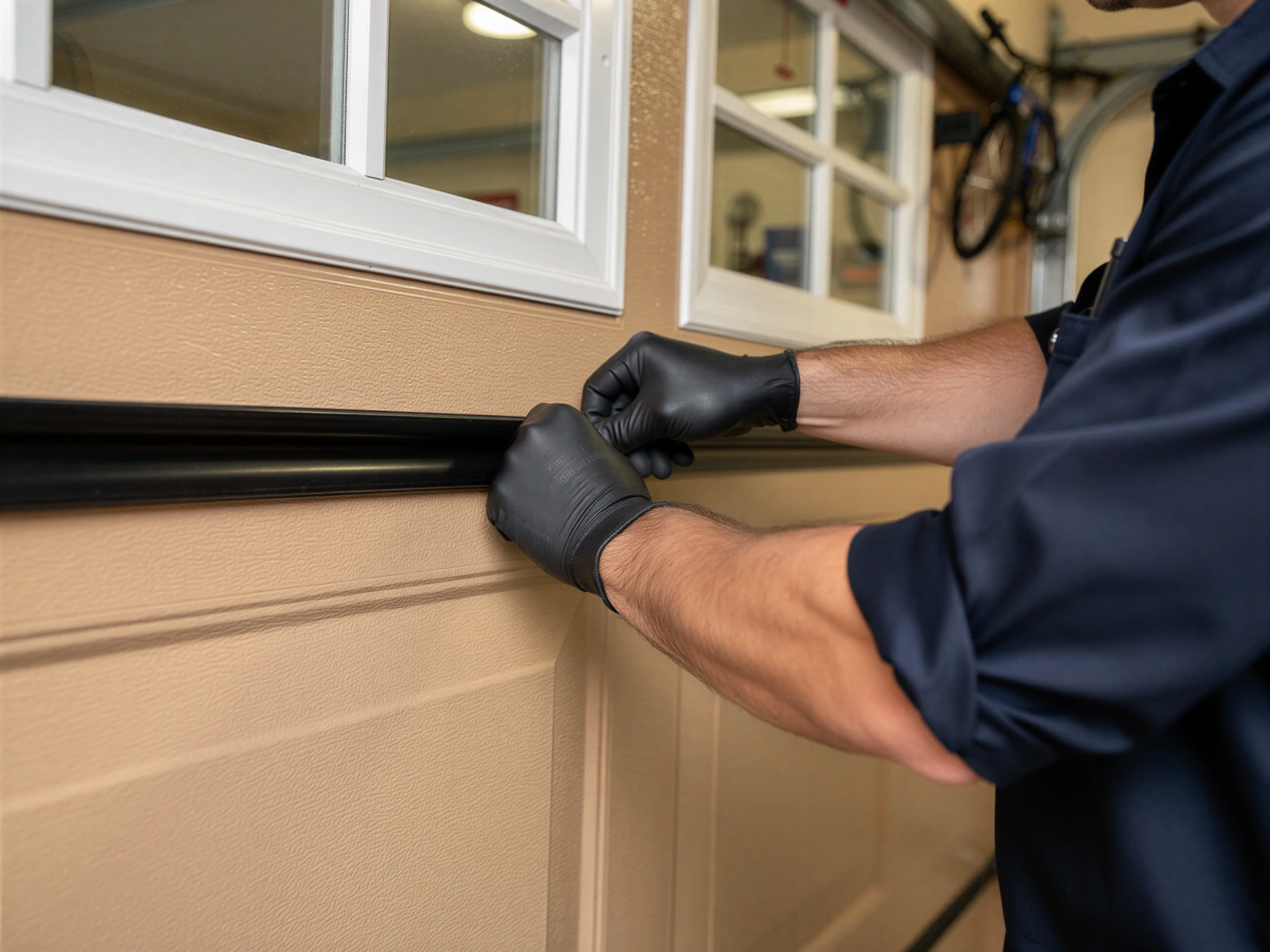
Garage Door Service
Hales Corners homes mostly date to the early 1960s. Learn more →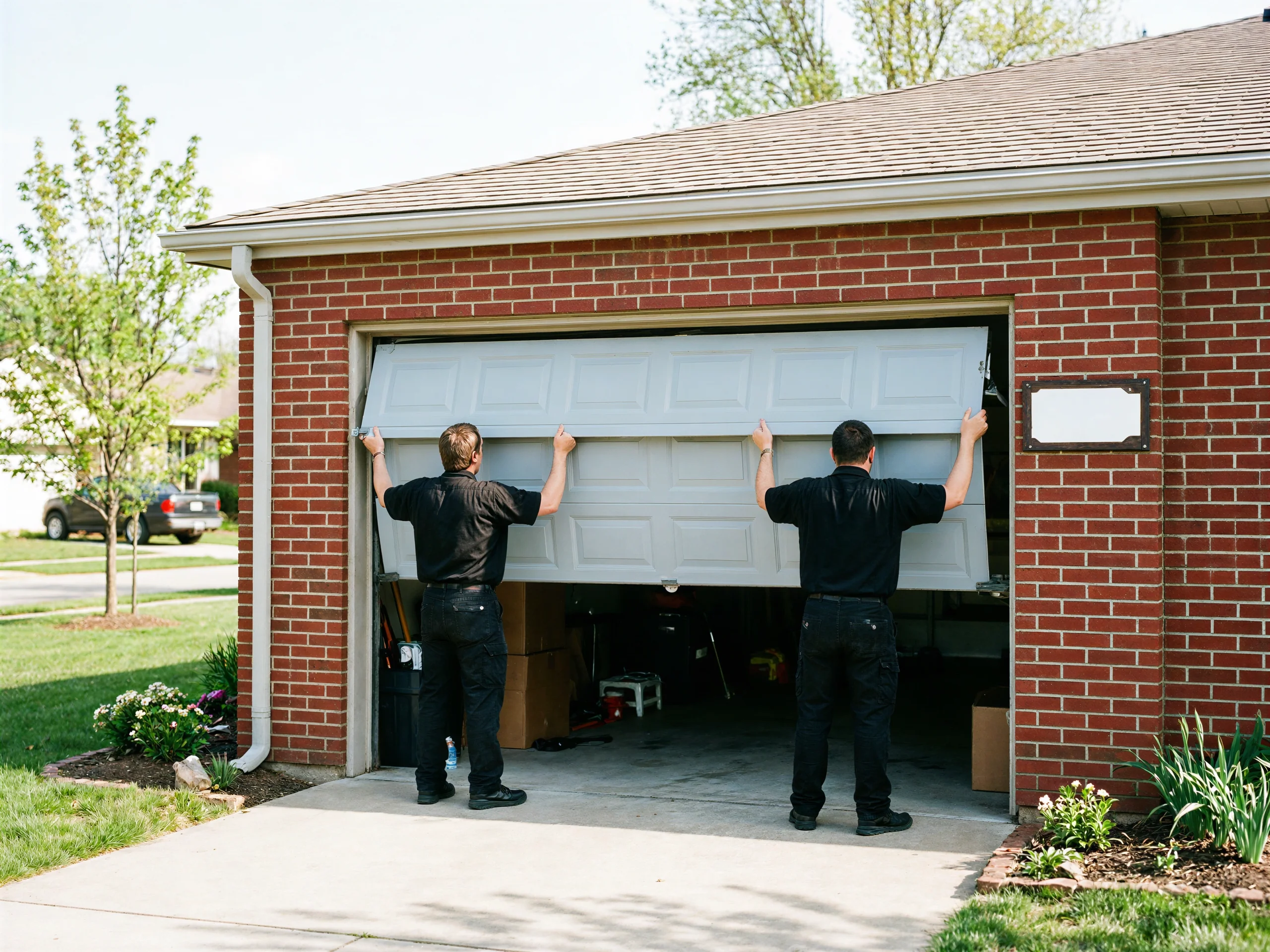
New Door Installation
Hales Corners homes mostly date to 1963, older than the area median. Learn more →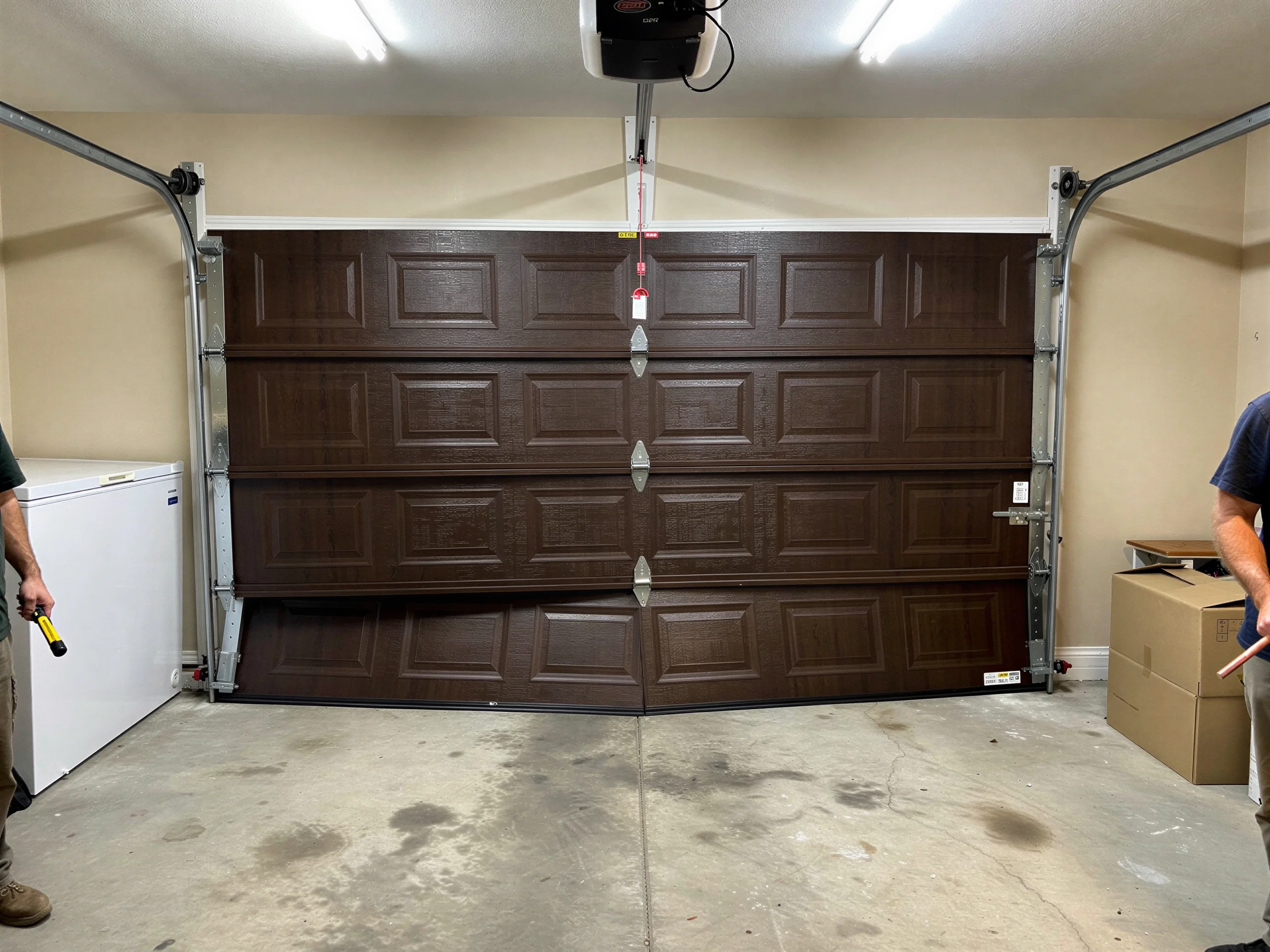
Off Track Repair
Hales Corners homes built around 1963 often run original track and hinge hardware. Learn more →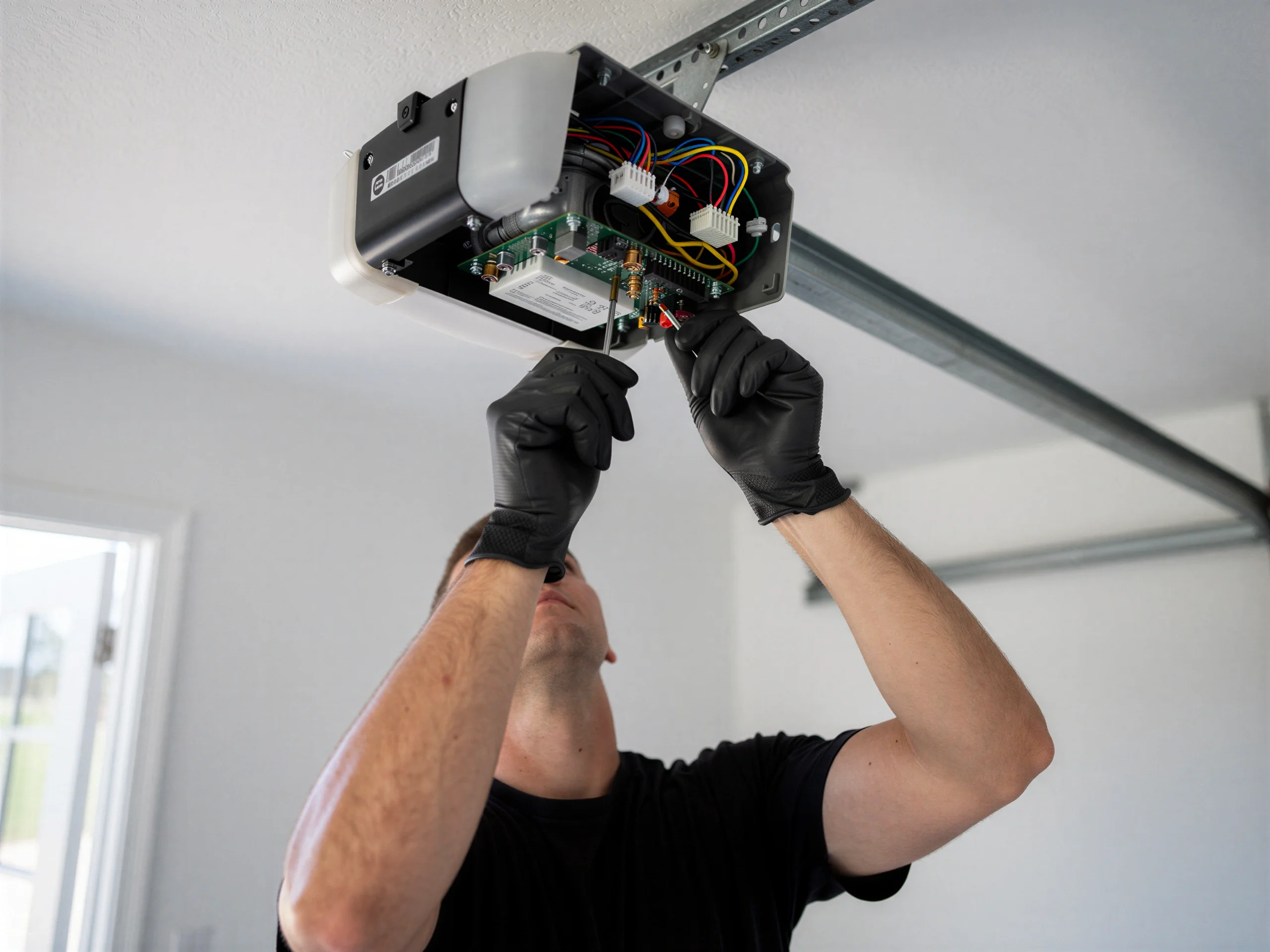
Opener Repair
Opener repair for Hales Corners homes built around 1963, where retrofit chain drives and narrow single-car openings are the norm. Learn more →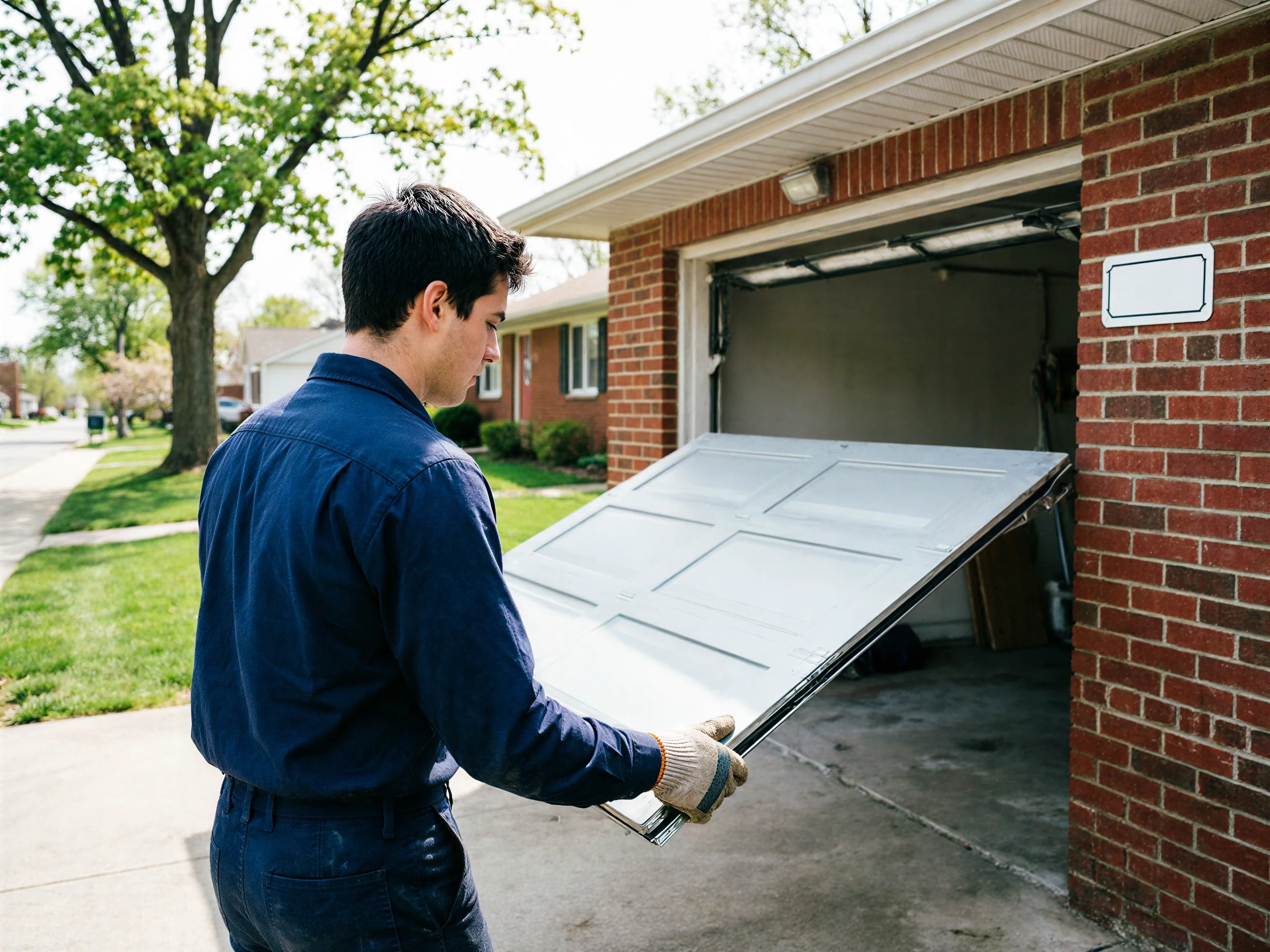
Panel Replacement
Hales Corners homes mostly went up around 1963, older than the area median. Learn more →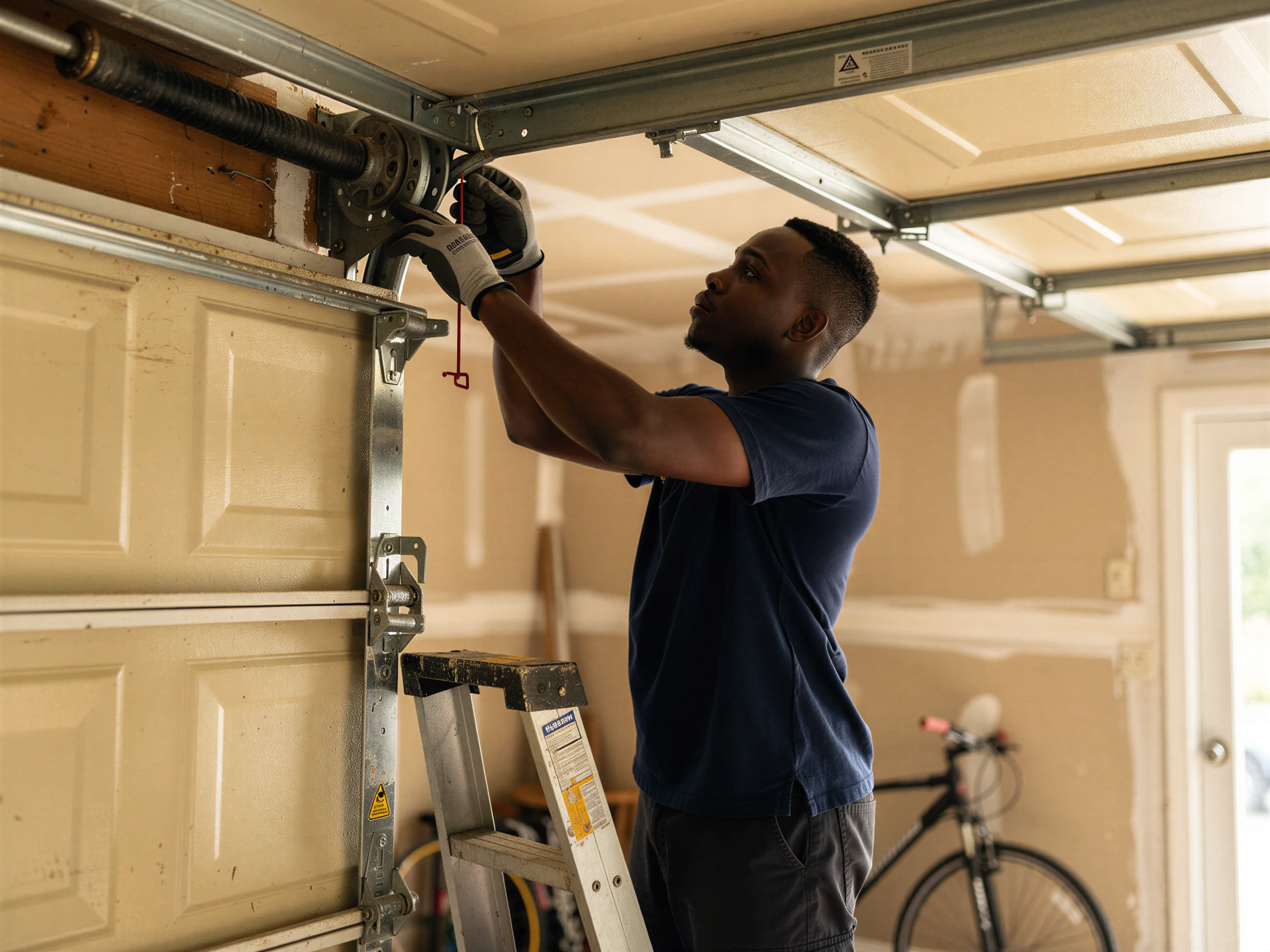
Roller Replacement
Roller replacement for Hales Corners homes built mostly in the early 1960s. Learn more →Ready when you are
Garage door trouble in Hales Corners?
New Berlin Garage Door Pros repairs and installs garage doors, springs and openers in New Berlin, WI and the surrounding area.