

Hales Corners, New Berlin
Emergency Garage Door Repair for Hales Corners' 1960s Housing Stock
Hales Corners homes mostly date to 1963, which means original torsion or extension hardware still on the door. We come from New Berlin, 5 miles out, to fix it.
Where This Job Goes Sideways
The call we get most from this side of town isn't a dead opener - it's a spring that let go overnight and a door that won't budge in either direction.
Hales Corners 1963 build
That's not random. Most houses in Hales Corners went up around 1963, which puts the door and track on original or first-replacement hardware from a build era when extension springs over the horizontal track were still common alongside early torsion setups.
Springs past tension repair
Forty-plus years on, the steel in those springs has fatigued past the point where a tech can just tension it back - the coil itself is done. On a 1963 build, we also see single-layer steel panels with no foam core, which is fine until the door starts fighting a bent track because a roller gave out on a cold morning.
Stiff panel loads opener
The two failures compound: a stiff, uninsulated panel puts more load on the opener trying to force it, and that load finds whatever's already weak in the lift system. If your house falls in that build window, the spring and the roller are usually both near end of life at the same time, which is why the breakdown feels sudden even though it's been coming for years.
The DIY Question
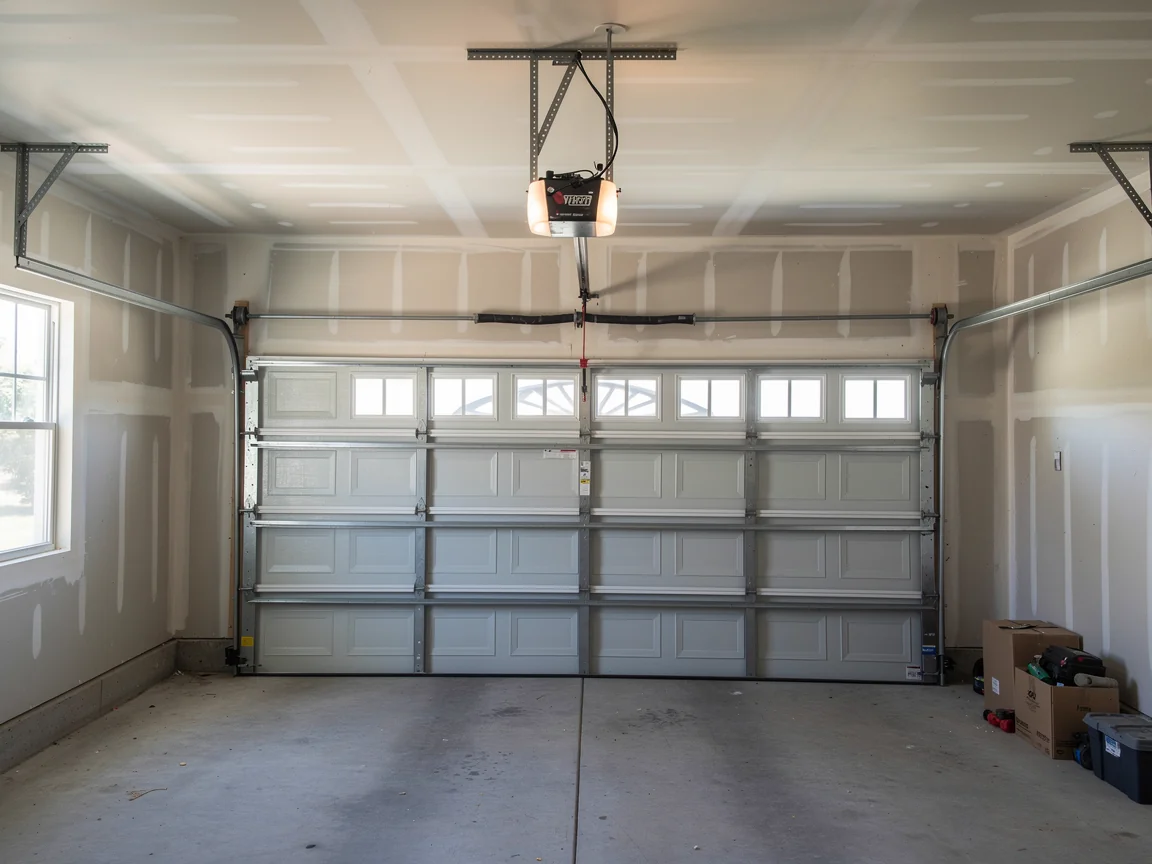
A torsion spring under full tension can put someone in the ER - that's true everywhere, not just here, so we won't pretend it's a local fact.
Obsolete drum and cable sizing
What is specific to a 1963-era door is that the drum, cable, and spring sizing on original hardware often doesn't match anything sold off the shelf at a hardware store now. You can burn a Saturday trying to fit a universal kit to a 60-year-old track and end up worse off than when you started.
Safe homeowner checks
What you can safely check yourself: the photo-eye sensors near the floor, whether the track bolts have worked loose, and whether the door is binding on one side more than the other. None of that needs a spring wound or unwound.
Coil gap stop signal
If the door won't move at all and you can see a gap in the spring coil above the door, stop there and call - that's not a DIY repair on any house, old or new. The honest limitation: we don't do same-day miracle rewinds on every call. If your spring size is obsolete, we may need a day to source the right part rather than force a mismatch onto an old drum.
How Long You Are Without the Door
We run this service out of New Berlin, about 5 miles from Hales Corners, so travel time isn't the bottleneck - part availability usually is.
Carried parts speed repair
A snapped extension spring or a common torsion size, we're likely carrying on the truck already. What slows a job down is when a 1963-build door has a cable drum or track bracket sized for hardware nobody manufactures anymore; that means a short wait while we source a compatible replacement rather than jam in a part that'll fail again in a year.
No guessed turnaround
We won't quote a fixed turnaround here because it depends on which of those two situations you're in, and guessing a number we can't back up does you no favors.
Details that set timeline
What we can tell you: tell us the door's approximate age and whether it's torsion (spring above the door, horizontal) or extension (springs running alongside the horizontal track) when you call, and we'll know before we leave the shop whether it's a same-visit fix or a one-part-order fix.
What the Fix Involves
On the 1963-era doors we see most in Hales Corners, the fix starts with pulling the old spring - torsion or extension - off the shaft or track entirely rather than trying to re-tension it, since metal fatigue at that age doesn't respond to adjustment.
Drum wears new cable
We check the drums and cables at the same time, because a worn drum will chew through a brand-new cable in months and you'll be back to square one. We also look hard at the rollers and the track alignment before we touch the opener.
Track not built for motors
A door built in 1963 was almost certainly retrofitted with an opener later, which means the original track geometry wasn't engineered around motorized lift - small misalignments that didn't matter with a hand-pulled door start matter a lot once a motor is forcing it through a bind.
Square the track first
Replacing the spring without correcting a bent track just moves the failure point somewhere else, usually the opener's gear set. We'd rather spend the extra twenty minutes squaring the track than send you a door that fails again next winter.
Parts We Carry
Because so much of the housing here dates to the early-to-mid 1960s, we stock spring and drum sizes that match that era's hardware, not just the sizes common in newer subdivisions. That includes extension spring sets sized for older horizontal-track doors, which a lot of suppliers have stopped carrying in favor of torsion-only stock.
What we don't carry on the truck: specialty insulated panel sections for custom or architectural doors, since that's a special-order item regardless of the house's age. If your door needs a full panel replacement rather than a hardware fix, we'll walk you through whether a repair is worth it or whether the door's age makes full replacement the better spend - we'd rather tell you that upfront than sell you a patch on a door that's close to done anyway.
Questions
Common questions
Why does my spring keep breaking when the house is only from the 1960s?
A spring rated for 10,000-15,000 cycles doesn't know how old the house is - it's been opening and closing for roughly six decades now, so it's well past its rated life regardless of the era. On a 1963-era door we usually find the original hardware was never upgraded, so it's running on borrowed time.
Do you carry parts for older torsion and extension systems?
Yes - we stock spring and drum sizes that match the extension and early torsion setups common on 1960s-era doors in this area, not just the sizes typical of newer construction. If your hardware is a true one-off, we'll source it rather than force a mismatched part onto the drum.
How far out is Hales Corners from your shop?
We work out of New Berlin, about 5 miles from Hales Corners. We don't keep a branch or depot in town, so we can't promise a fixed response window here - what we can do is carry the hardware sizes this area's housing stock actually needs.
Explore more
More Services in Hales Corners
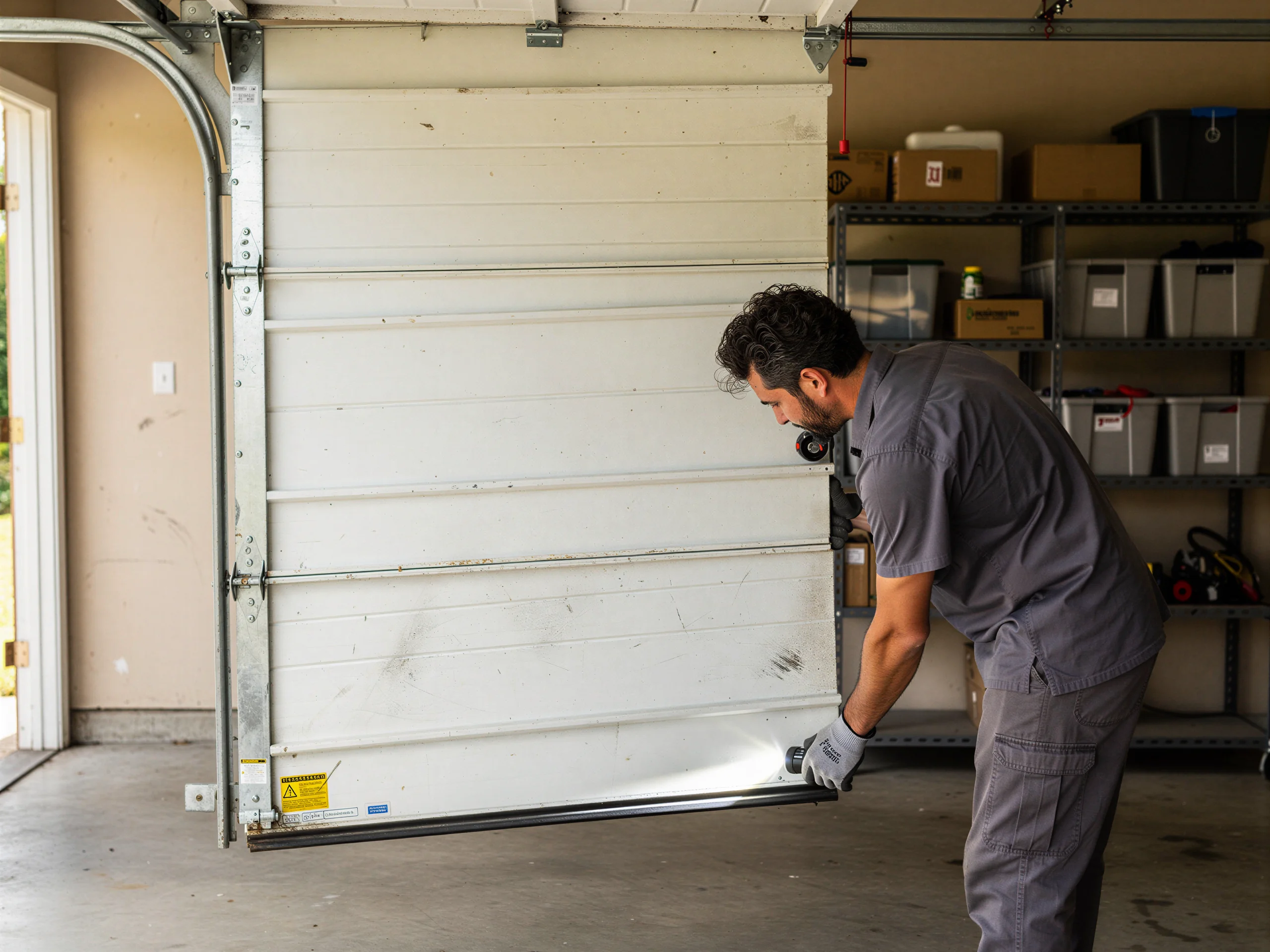
Garage Door Repair
Garage door repair for Hales Corners, WI, 5 miles from our New Berlin shop. Learn more →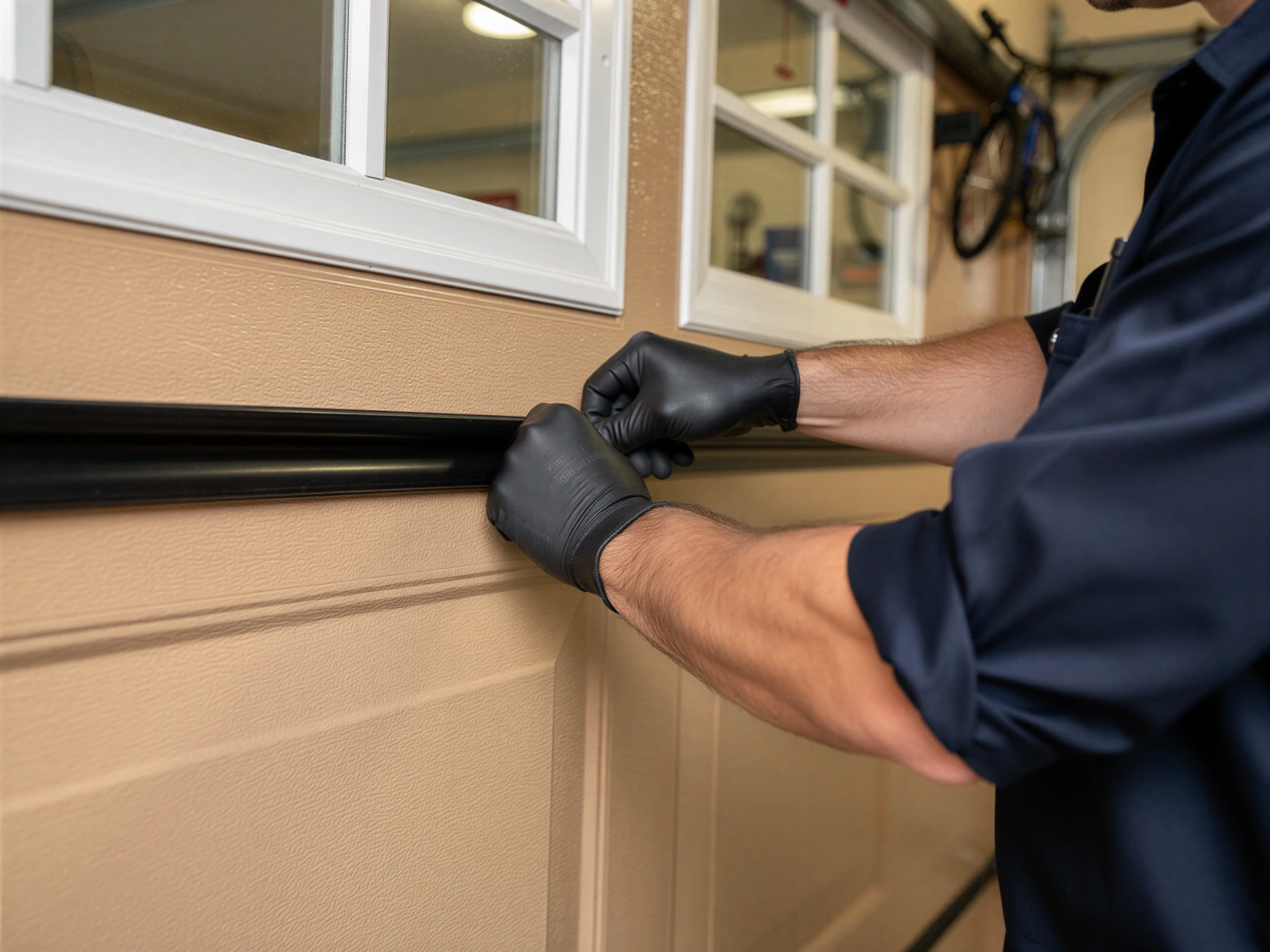
Garage Door Service
Hales Corners homes mostly date to the early 1960s. Learn more →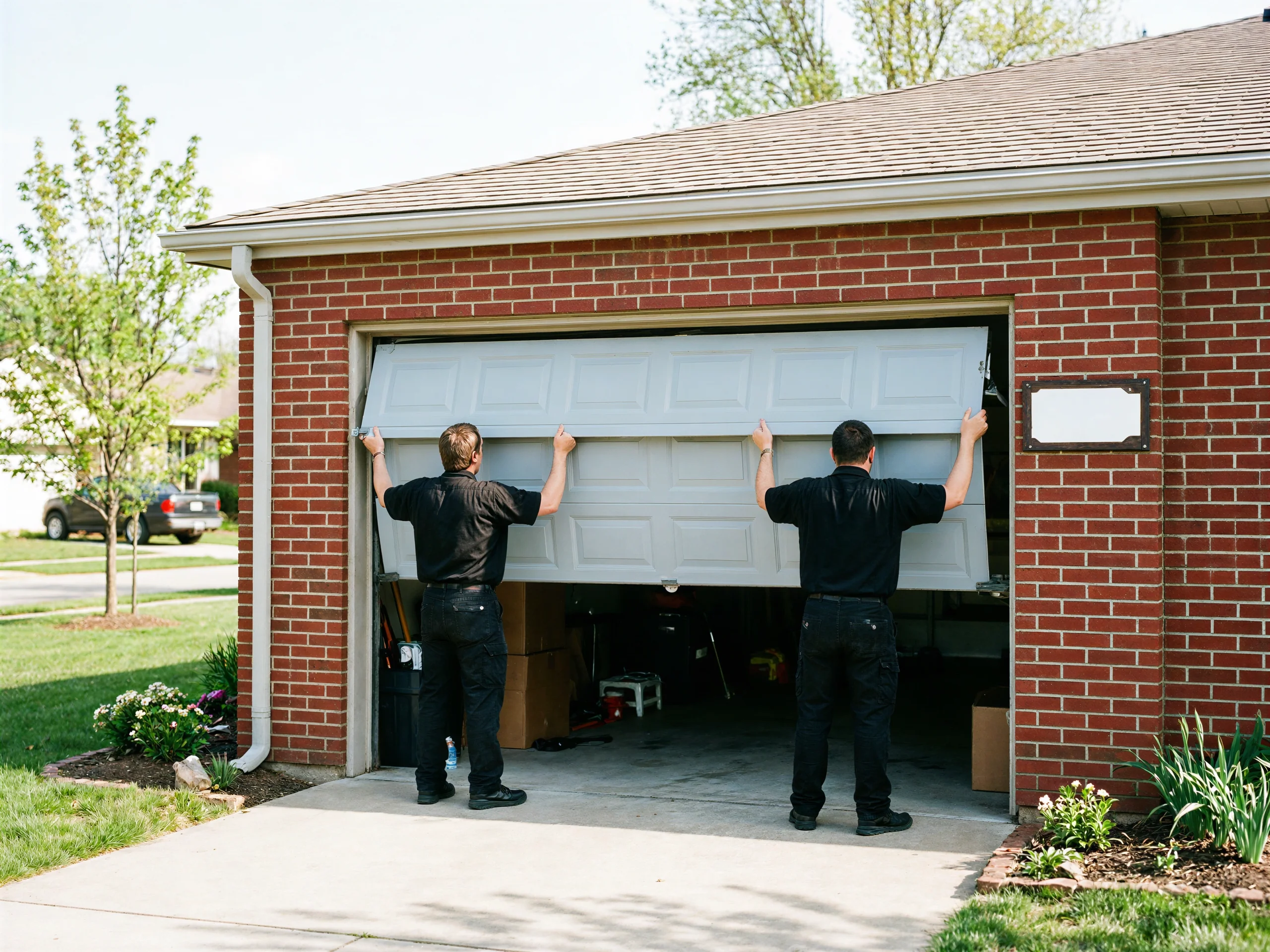
New Door Installation
Hales Corners homes mostly date to 1963, older than the area median. Learn more →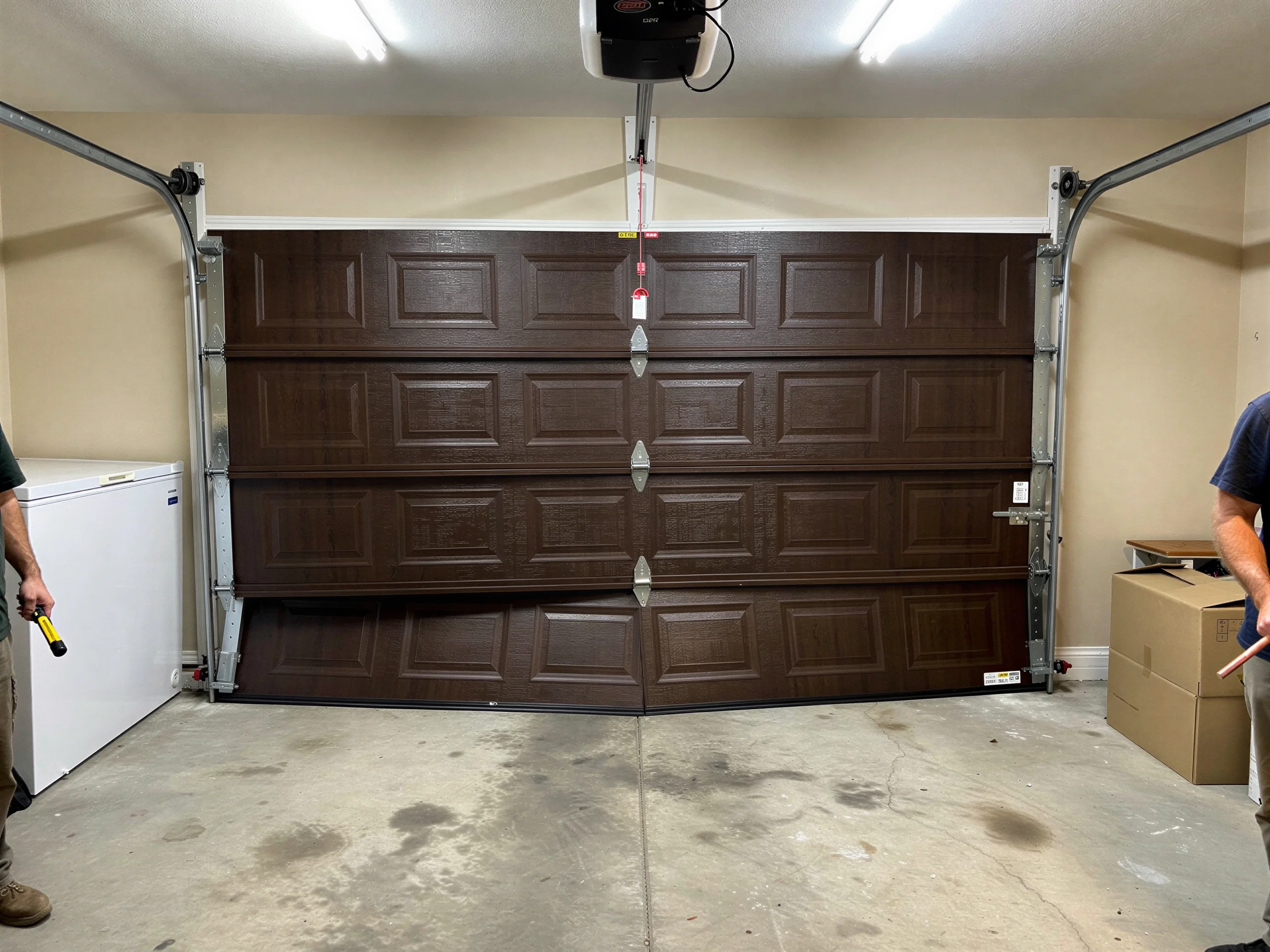
Off Track Repair
Hales Corners homes built around 1963 often run original track and hinge hardware. Learn more →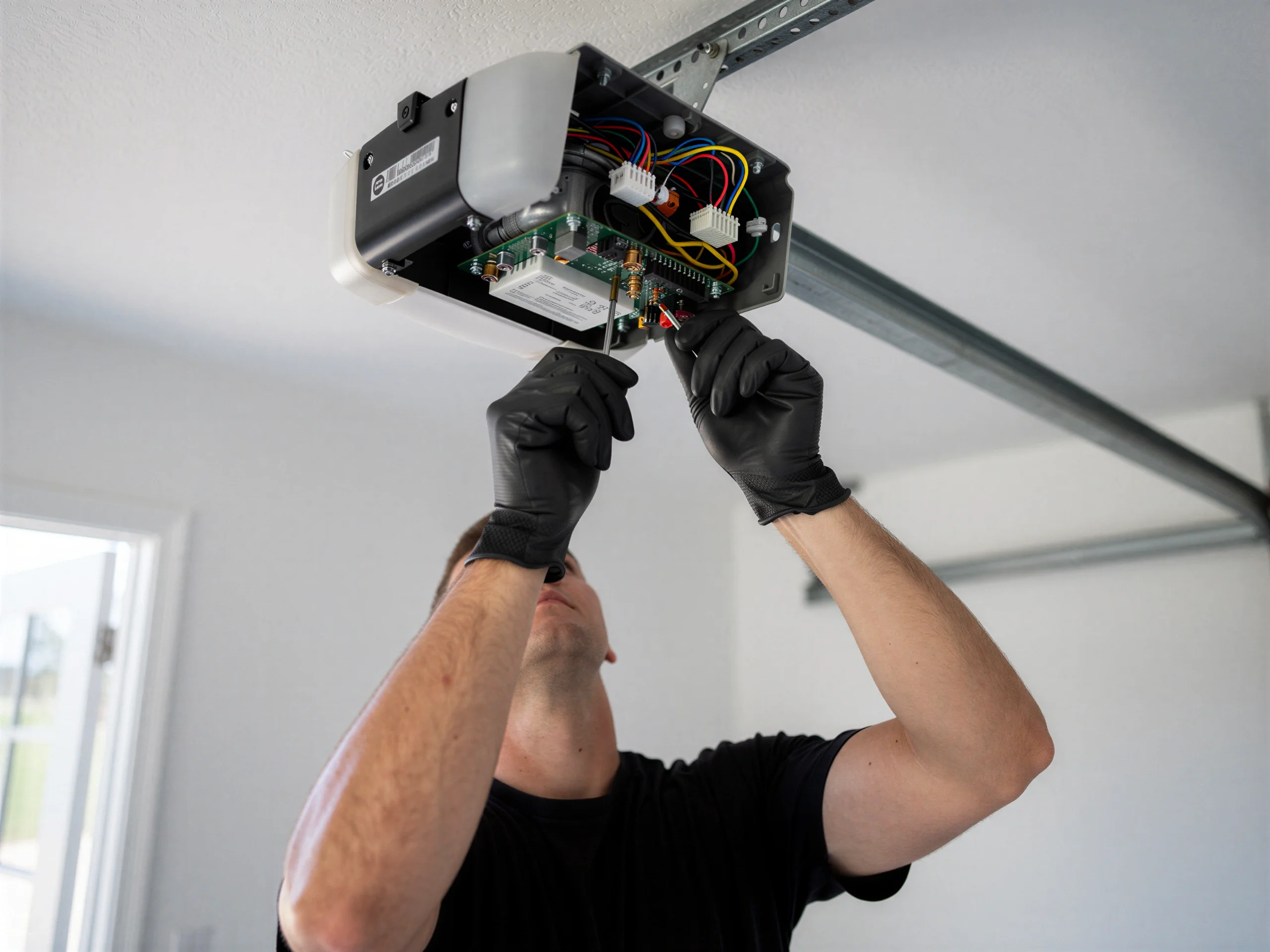
Opener Repair
Opener repair for Hales Corners homes built around 1963, where retrofit chain drives and narrow single-car openings are the norm. Learn more →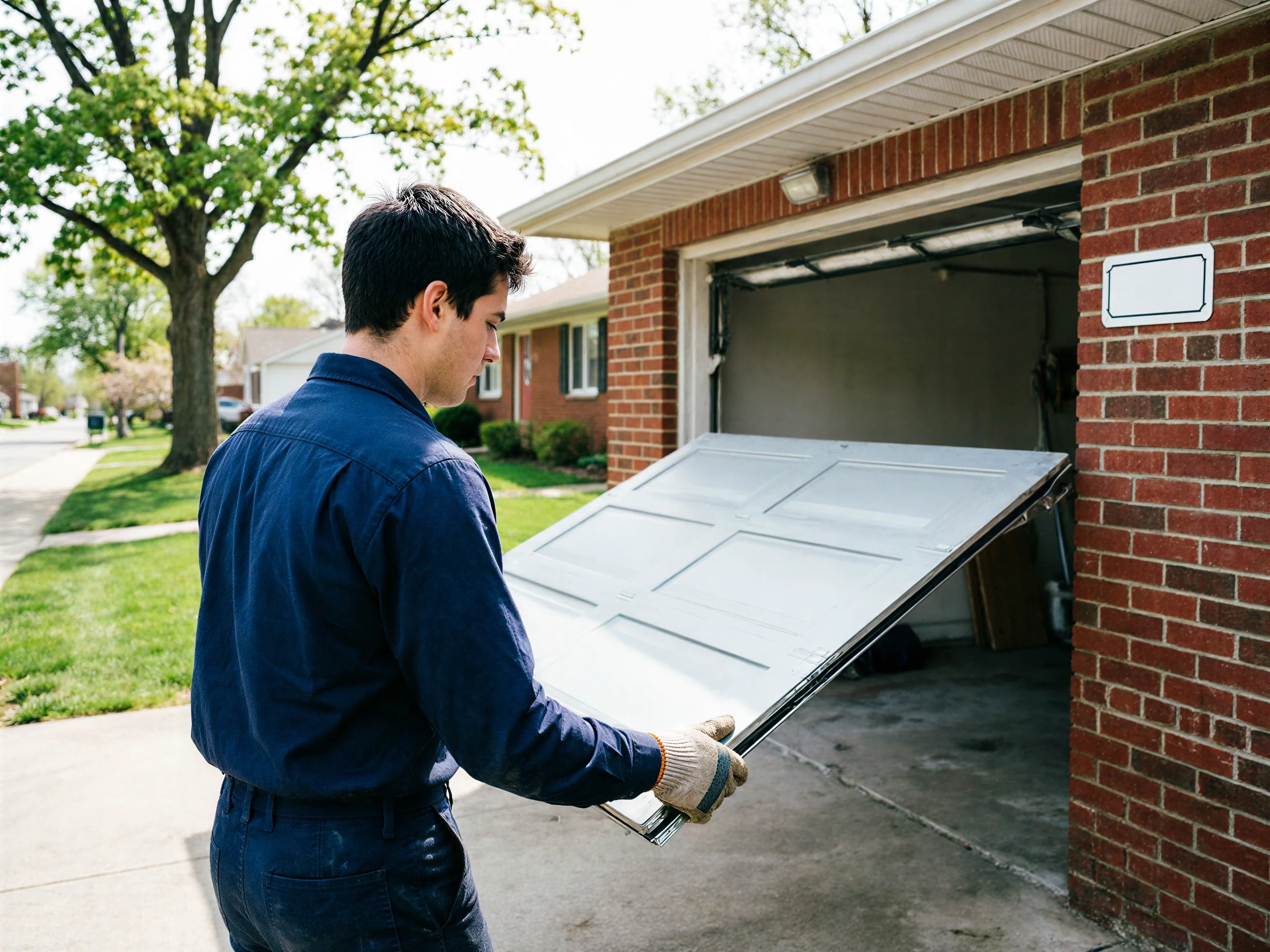
Panel Replacement
Hales Corners homes mostly went up around 1963, older than the area median. Learn more →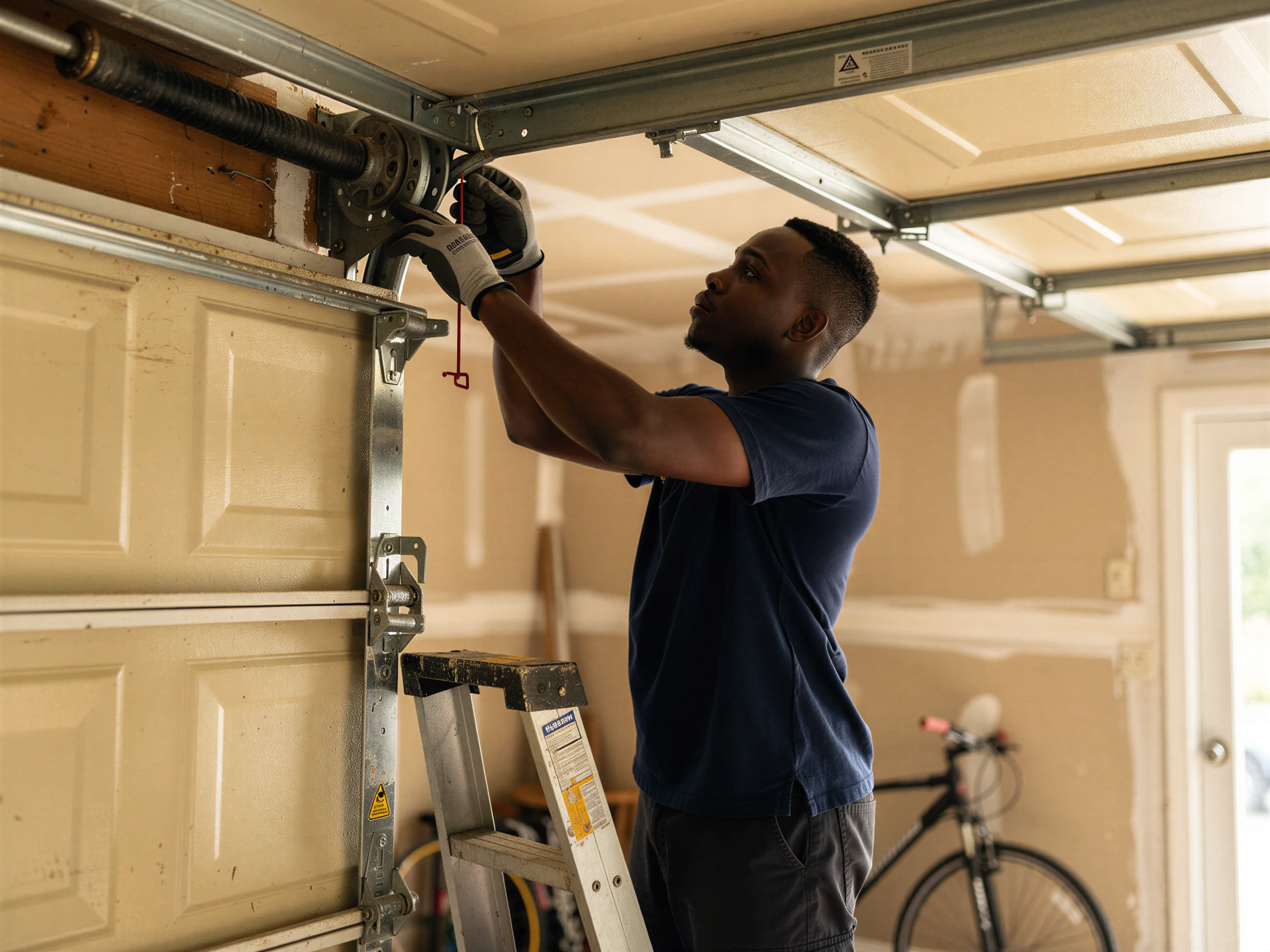
Roller Replacement
Roller replacement for Hales Corners homes built mostly in the early 1960s. Learn more →Ready when you are
Garage door emergency in Hales Corners?
New Berlin Garage Door Pros repairs and installs garage doors, springs and openers in New Berlin, WI and the surrounding area.