
Franklin, New Berlin
New Garage Door Installation for Franklin Homes
Franklin homes run newer than most of the area - median build year 1989. See where repair stops making sense and replacement starts, and what a new door install actually involves here.
The DIY Question
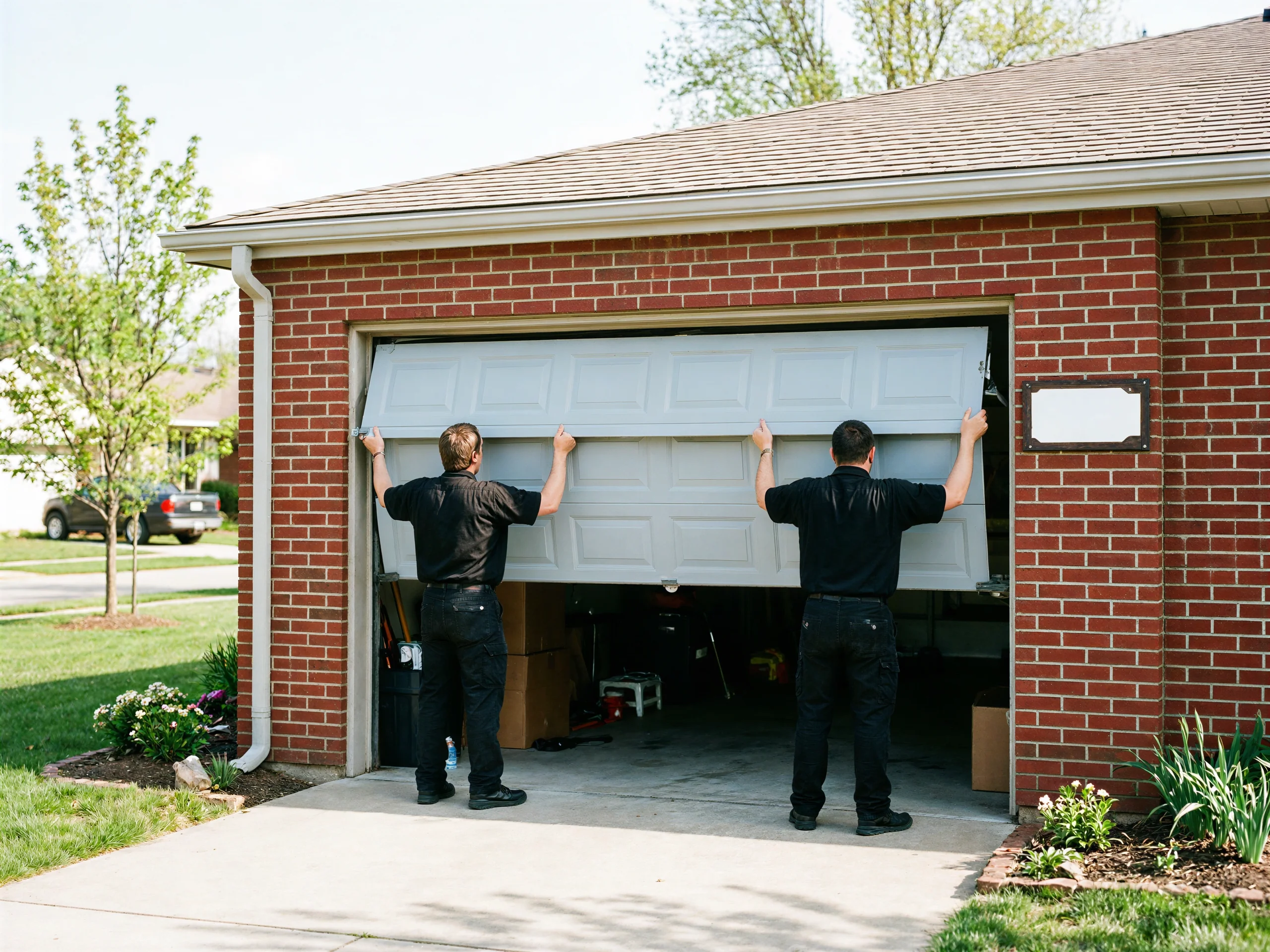
A torsion spring under full tension can break a hand or worse, and a new door section runs heavy enough that one person alone can't square it in the opening.
Newer stock still surprises
That's true everywhere, but it matters more here because Franklin's housing stock is newer than a lot of the area around New Berlin - median build year 1989 instead of the 1970s stock you see closer in. Newer doesn't mean easier. It means the opener is more likely original builder-grade equipment, wired into a house that was never set up for a heavier insulated door, and the header framing was sized for whatever light steel door shipped standard in '89.
Alignment and tensioning errors
If you're set on doing it yourself, the track alignment and cable tensioning are where most DIY installs go wrong, not the part everyone worries about. A door that looks installed can still bind on the rollers within a season and wear the opener motor out early.
Surprises behind old trim
We're not going to tell you it can't be done. We're telling you that a door swap in a house built around that era usually surfaces at least one surprise behind the old trim, and that's easier to handle with the right tools already on the truck.
What It Costs
Franklin's median household income sits at $108,342, close to the $109,038 figure across the broader service area, and that number matters more than people think when they're deciding between a repair and a full swap.
Replace after repeat repairs
At that income level, the math usually favors replacing once a door needs more than one major repair - a new spring and a bent track in the same year, say - because the labor on two separate fixes starts to close in on what a new door and opener cost installed.
No written price list
We don't have a price list we can quote you in writing here, and we're not going to make one up. What we can tell you is the decision point: if your door is original to a late-80s build and you're facing a second repair call inside a year, that's the point to ask for a replacement quote instead of another patch.
Freeze-thaw shortens timeline
Cold-climate wear (this area sits in a severe cold band) tends to accelerate that timeline on original hardware, since the steel and seals weren't built for decades of freeze-thaw cycling.
Parts We Carry
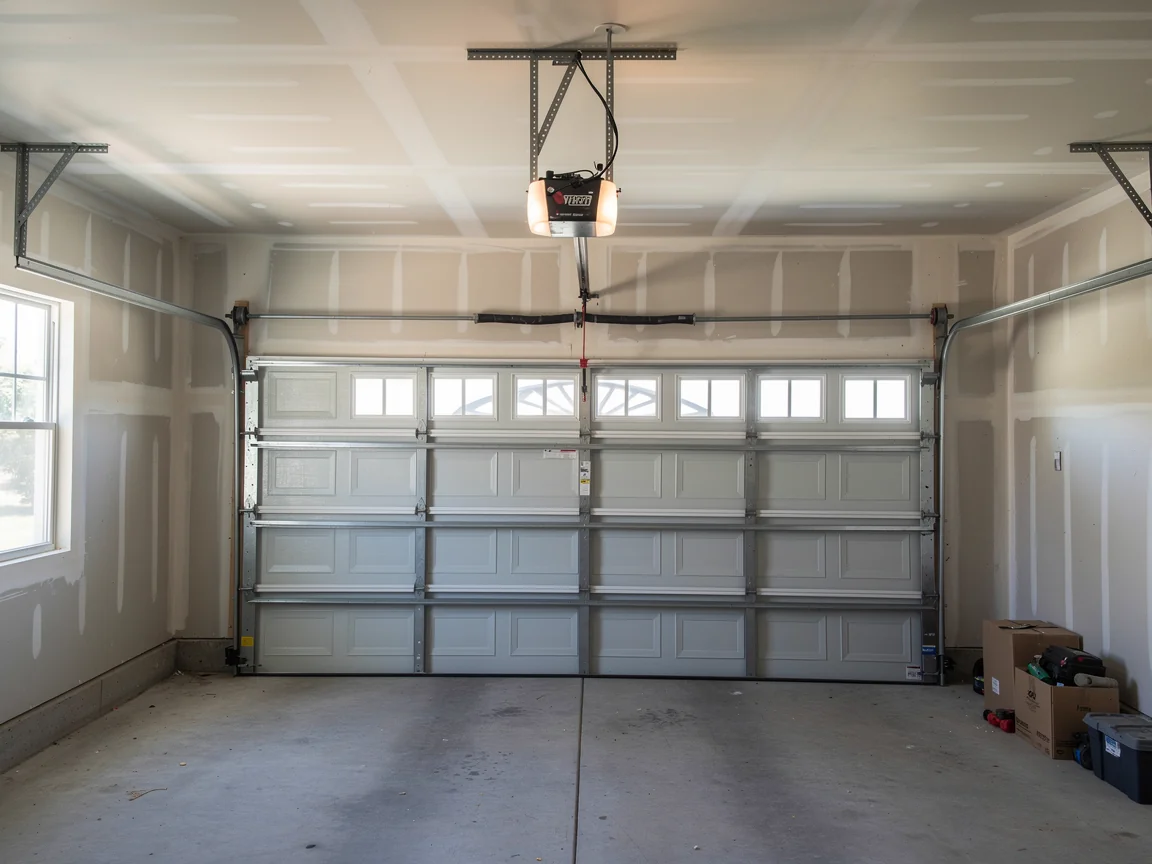
For a new install we're working with insulated steel sections, torsion springs sized to the door's actual weight rather than a generic chart number, and openers with cold-rated drive systems - belt or chain, depending on what the garage structure can take.
Bottom seal spec check
Given the severe cold band this area sits in, we don't put a door in without checking the bottom seal and weatherstrip spec; a door that looks fine in a showroom can still let a draft through on a January night if the seal wasn't matched to the threshold.
Common parts on truck
We stock standard torsion spring sizes and common roller and cable gauges on the truck, since those are the parts that fail across almost every age of door.
No obsolete hardware stocked
What we don't keep on hand is obsolete hardware for doors predating the stock most houses here were built with - if your garage is one of the rarer older builds in the area, that's a special-order part, not a same-day swap, and we'll tell you that up front rather than make you wait on a truck that doesn't have it.
Where This Job Goes Sideways
The surprise we run into most in houses from this era is an opener bracket mounted to framing that was never meant to carry a heavier insulated door. Builder-grade doors from the late 80s were light, and the ceiling bracket and header were sized for that weight, not for the double-layer steel doors sold today. Swap in a heavier door without reinforcing that point and you'll get sag or a bracket pull-out within a year or two.
The other spot: headroom. Openers and track hardware have changed shape over the decades, and a garage built to late-80s code sometimes has less clearance above the door than newer track systems assume. We measure before we quote for exactly this reason - not every opening takes a standard track without modification, and finding that out after the door's ordered costs everyone time.
What the Fix Involves
We come out from New Berlin, about 8 miles from Franklin, to measure the opening, check the header and bracket condition, and confirm what track and spring setup the garage actually needs rather than assuming it matches the standard spec for a house this age.
Reinforcing jamb and header
Old door and track come out first, then we check the jamb and header for any reinforcement the new door's weight calls for - this is the step that catches the surprises mentioned above before they become a return trip.
Full install sequence
From there it's new track, spring sized to the door, panel install, and opener mount and calibration, finishing with a seal check given the cold-climate demands on weatherstripping here.
Hand balance before power
We test the balance by hand before we ever power the opener, since a door that isn't balanced right will just wear the motor down early no matter how good the opener is.
Questions
Common questions
Is my garage door opener too old to reuse with a new door?
Depends on the opener's age and drive type, not just the door. A lot of houses in this area still have builder-grade openers from the original build. If yours predates cold-rated drive components, we'll usually recommend replacing it alongside the door rather than pairing a new heavy door with an old motor not built to lift it.
Do you install same day in Franklin?
We travel to Franklin from New Berlin, about 8 miles out, so we schedule the visit rather than promise a same-day slot. We'd rather measure the opening properly and order the right hardware than rush a job on a door that doesn't fit.
Why does my almost-new door already feel heavy to lift by hand?
If the spring was never adjusted for the actual door weight, or the door's an upgrade over what the opener and bracket were rated for, you'll feel it in the manual lift. That's a balance problem, not something you fix by just tightening the opener.
Explore more
More Services in Franklin
Emergency Garage Door
Franklin homes run newer than most of this service area - median build year 1989. Learn more →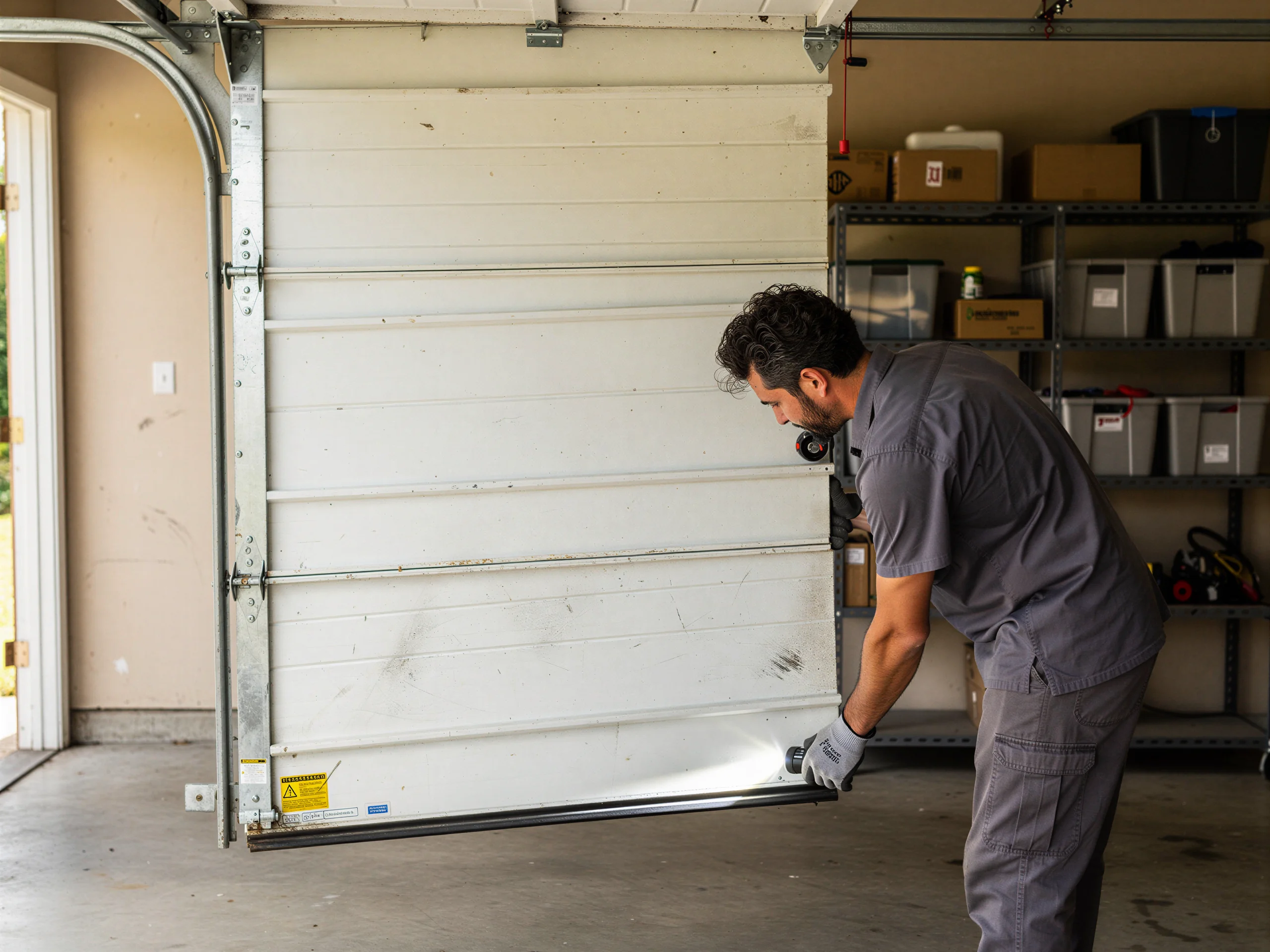
Garage Door Repair
Garage door repair for Franklin, WI homes, most built around 1989. Learn more →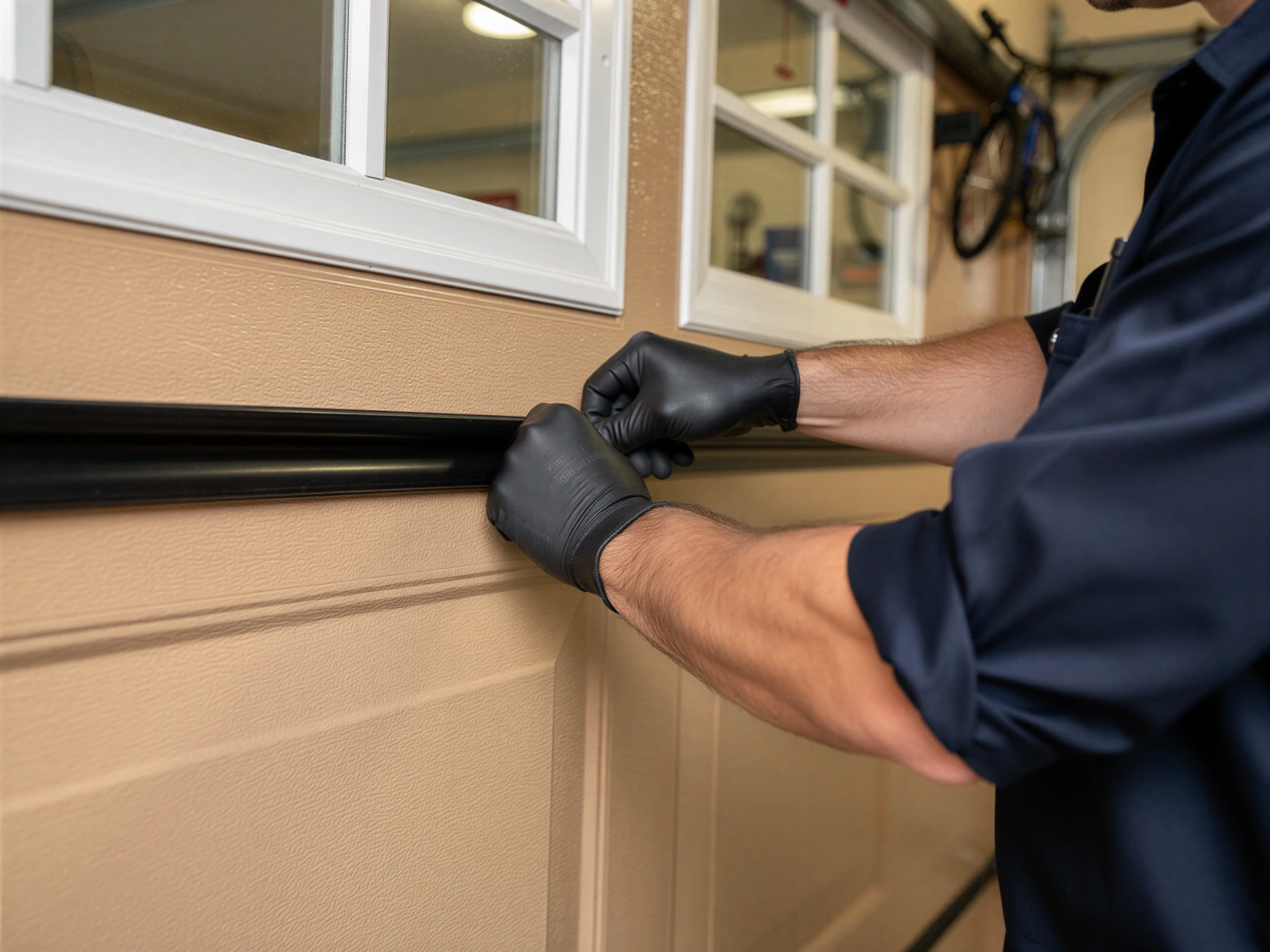
Garage Door Service
Franklin, WI has 14,062 households and a newer housing stock than most of the New Berlin service area. Learn more →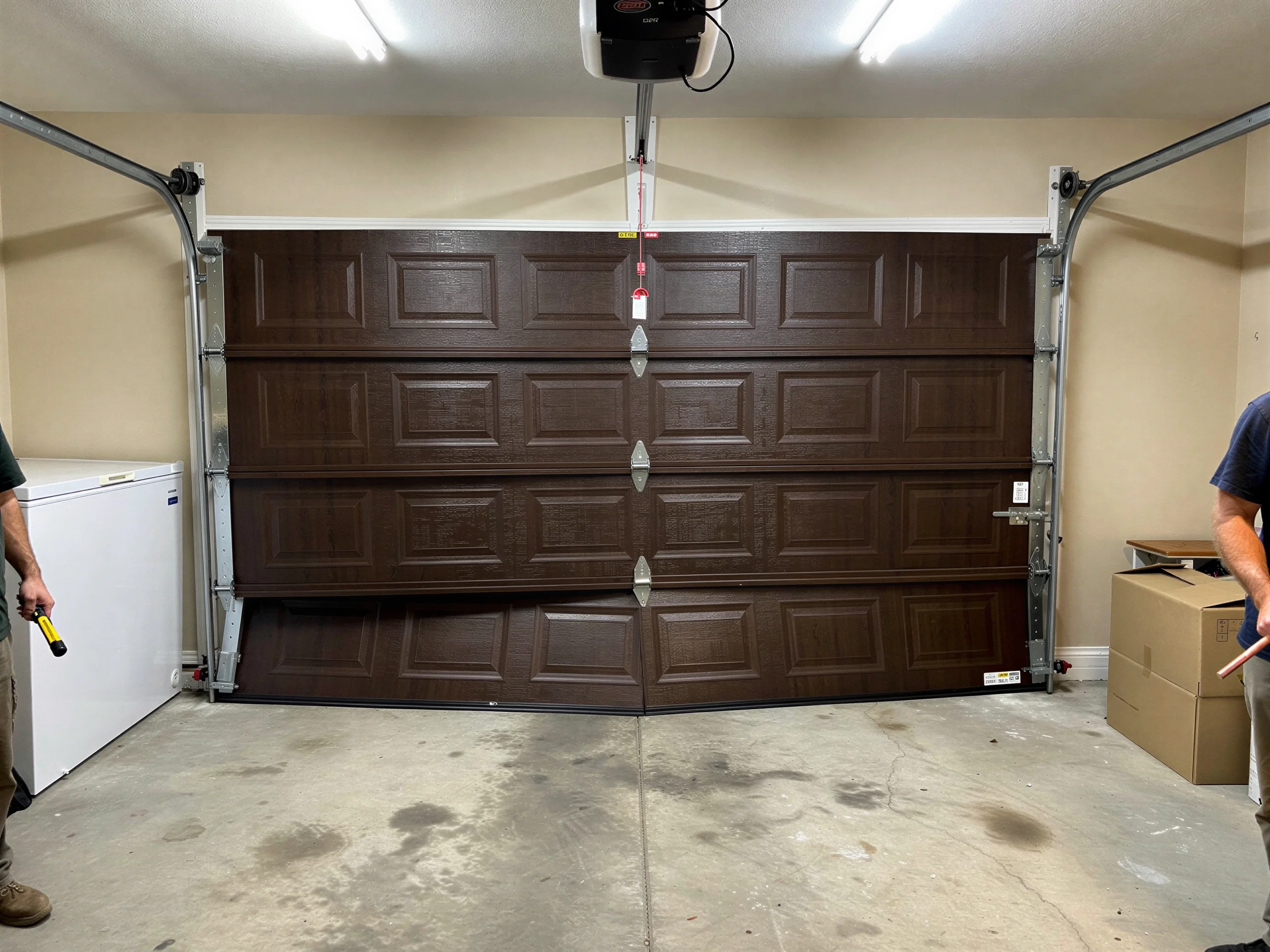
Off Track Repair
Franklin homes built after 1989 use lighter track and roller hardware than older New Berlin stock. Learn more →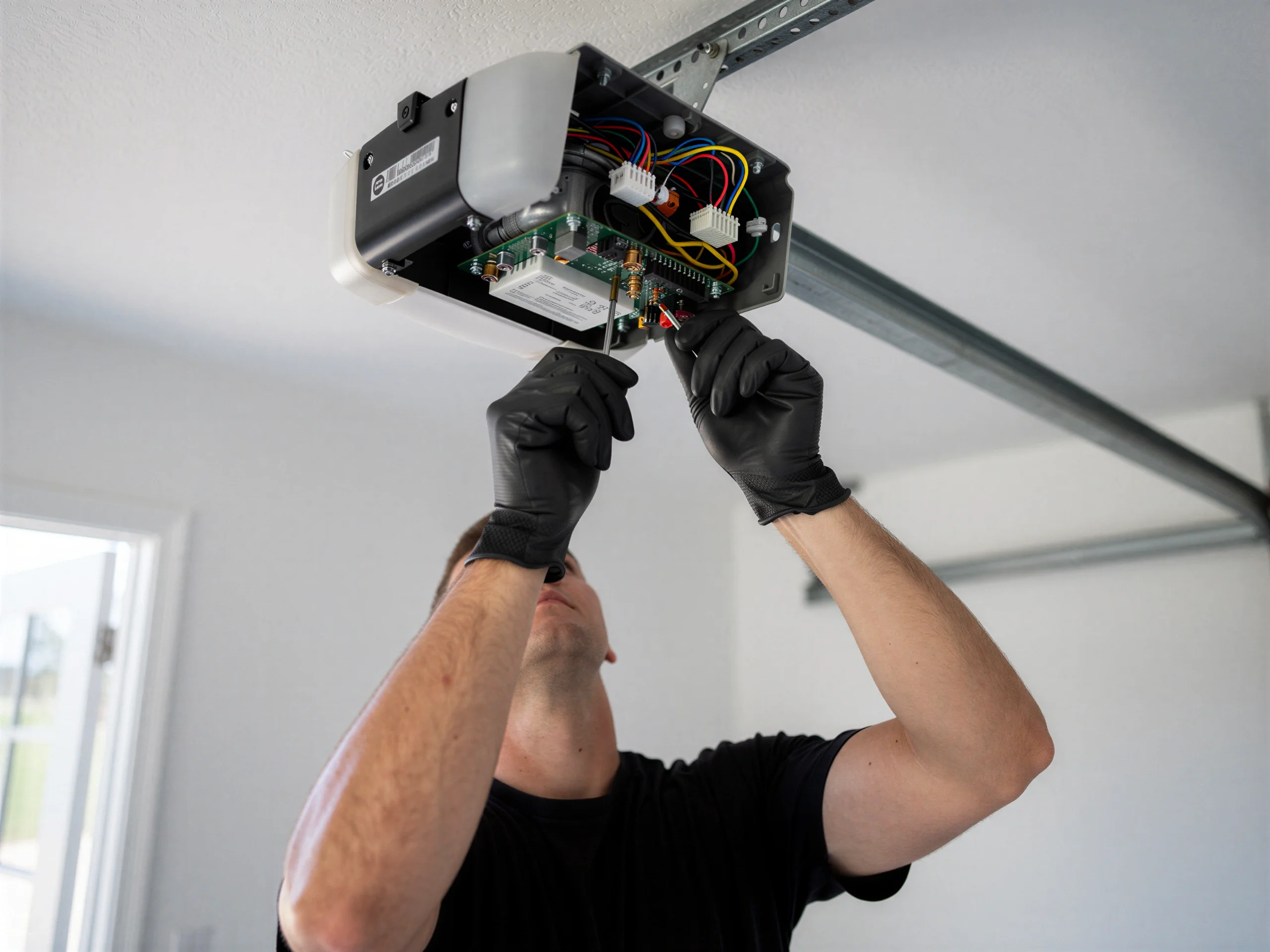
Opener Repair
Franklin's houses mostly date to the late 1980s, so the openers in them are close to or past end of service life. Learn more →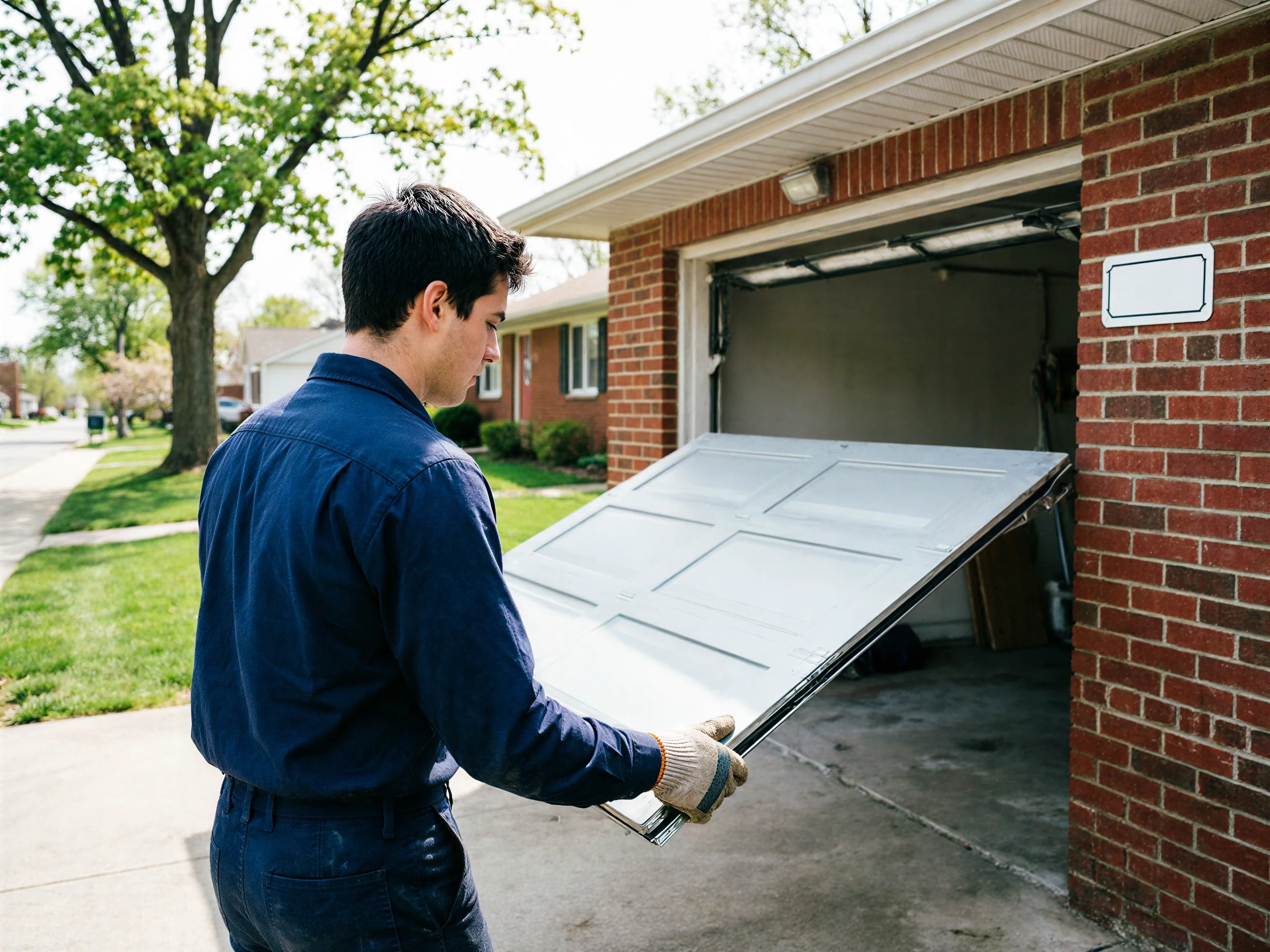
Panel Replacement
Franklin homes built around 1989 run steel sectional doors with thinner insulation than newer builds. Learn more →
Roller Replacement
Franklin homes built near 1989 got steel ball-bearing rollers that crack in hard winters. Learn more →Ready when you are
Ready for a new garage door in Franklin?
New Berlin Garage Door Pros repairs and installs garage doors, springs and openers in New Berlin, WI and the surrounding area.